Valorant Calm Aim Explained
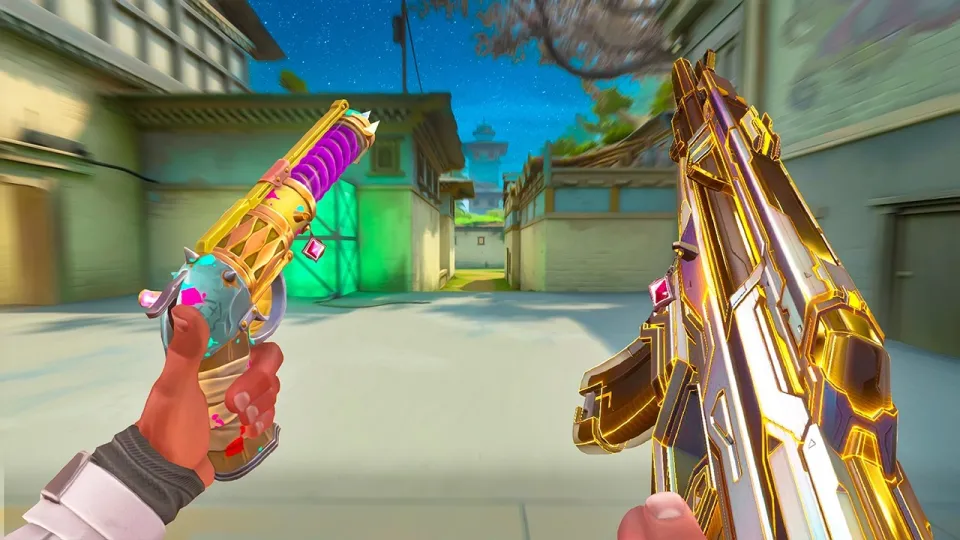
Video: low cortisol aim..
You can order the same kind of articles for your own video to boost it on YouTube and Google. Just message the Telegram bot @sat_sit_bot. The bot writes and publishes the articles itself (with your YouTube video embedded) on popular topical websites (no ads). Try it free: 50 articles on us.
· based on the channel Rawzu
Valorant is a 5v5 tactical shooter where aim is only half the battle and composure is the other half; "low cortisol aim" is the community label for the calm, low-tension style Rawzu shows on Phoenix, where flicks are short, crosshair placement does most of the work and the player never seems to panic. The idea is simple: reduce the stress in your mechanics so that every duel is decided before it starts. If you want the same clean frame times the style depends on, Rawzu points viewers to PC optimization for Valorant.
What low cortisol aim actually means in Valorant
Low cortisol aim is a training mindset, not a secret setting: it describes aim built on preparation and restraint rather than reactive speed. In practice it means the crosshair sits at head level on the most likely angle, the mouse moves in one clean motion instead of a correction, and the player accepts a slower first shot in exchange for a far higher hit rate. Rawzu's Phoenix clips are a good illustration because Phoenix is an aggressive duelist who wants to take fights first — the calm comes from knowing exactly which fight is worth taking and which angle is already pre-aimed.
The phrase itself is a joke about stress hormones. High-pressure aim looks like over-flicking, spraying after a miss and re-peeking the same angle; low-pressure aim looks like holding a line, strafing between shots and letting the opponent walk into the crosshair.
Rawzu's exact Valorant settings and gear
The setup behind the style is deliberately conservative and easy to copy. Rawzu lists these values in the video description:
- Sensitivity: 400 DPI with 0.625 in-game, which works out to 250 eDPI — a low-sens range that rewards arm aiming and stable tracking.
- Resolution: 1440x1080, a stretched 4:3 format that widens player models and makes heads easier to read at range.
- Crosshair: code 1-6-2-2, a compact static crosshair with a small gap.
- Mouse: Logitech G Pro X Superlight 2, a lightweight wireless shape suited to long arm swipes.
- Mousepad: Artisan Zero Soft, a control-oriented cloth pad that adds stopping friction.
- Monitor: Zowie XL2566K running at 360Hz.
Every one of those choices pushes in the same direction: more friction, more consistency, fewer surprise movements. A control pad plus low sensitivity is the physical version of low cortisol aim.
How Phoenix gameplay rewards a calm approach
Phoenix is an offensive duelist built to hunt enemies and cripple their ability to shoot back, which makes him the perfect stress test for composure. Blaze creates a vision-blocking wall that also damages anyone standing in it, so it doubles as a safe lane to cross open ground. Curveball blinds enemies even when they are tucked behind corners, which means Phoenix can start a fight on his own terms rather than react to one. Hot Hands adds self-healing area damage, and the Run it Back ultimate lets him dive, take a duel and return to a safe spot.
The pattern matters more than the individual abilities: wall to close distance, flash to deny the counter-angle, then a pre-aimed duel at close range. When the entry is scripted like that, the aim itself feels slow and controlled — the exact look viewers describe as calm.
Building the same composure in your own games
Calm aim is trainable, and the routine is unglamorous. Start with a sensitivity you can control: 250 eDPI is a reasonable anchor, but the real test is whether you can do a full 180-degree turn in one comfortable arm sweep. Next, spend ten minutes in the range on static bots with a single rule — no second flick after a miss, reset the crosshair and start again. Then move to deathmatch and play only for crosshair placement, never for highlights.
Three habits do most of the work:
- Hold angles with your crosshair already at head height instead of swinging onto targets.
- Strafe between shots so your first bullet is accurate and your body is a moving target.
- Stop shooting when the spray pattern breaks; a reset is cheaper than a whiffed magazine.
Peripherals help at the margins. A control mousepad and a mouse under 60 grams reduce the effort needed to stop a flick, and a high refresh monitor makes small corrections easier to see. None of it replaces the decision to stay calm.
Questions viewers keep asking about the clip
The comments under the video show what people actually notice: the movement more than the aim, a couple of moments that sound odd on speaker, and a recurring request for a full settings breakdown. The movement point is fair — in Valorant, strafing and counter-strafing set up the shot, so a player who never stands still looks mechanically smoother even at the same sensitivity. The audio moments are just editing quirks of a highlight reel, not a gameplay mechanic. And the settings question has a direct answer: everything is listed in the description, from 400 DPI and 0.625 sensitivity to the 1440x1080 resolution and the 1-6-2-2 crosshair. Viewers also ask how certain timings and positions happen; those are routine duelist entries with a wall and a flash, not hidden tech.
Useful links
- PC optimization for Valorant — the service Rawzu recommends in the description.
- Rawzu's original music on Spotify — the artist profile behind the channel's soundtrack.
- Rawzu's Discord — community server for clips and questions.
Final thoughts on calm Valorant aim
Low cortisol aim is less about a magic sensitivity and more about removing panic from the equation: pre-aimed angles, one clean motion per shot and a willingness to reset. Rawzu's Phoenix footage works as a demonstration because the agent forces aggressive entries, yet the mechanics stay quiet and repeatable. Copy the settings if you like — 400 DPI, 0.625 in-game, 1440x1080, crosshair 1-6-2-2 — but copy the discipline first. For the performance side of the equation, the optimization link from the video is where Rawzu sends viewers. The breakdown above follows the style documented by the Rawzu channel.
Key takeaways
- Rawzu runs 400 DPI at 0.625 in-game sensitivity, an effective eDPI of 250
- Resolution is 1440x1080 stretched, crosshair code 1-6-2-2
- Gear: Logitech G Pro X Superlight 2, Artisan Zero Soft pad, Zowie XL2566K at 360Hz
- The channel frames calm, low-tension aim as the core of its Phoenix duelist gameplay
- Rawzu points players to a PC optimization service via hone.gg/a/rawzu
Source: low cortisol aim.. · Markdown version
Questions & answers
What does low cortisol aim mean in Valorant?
It is a community term for calm, low-tension aim built on crosshair placement and single clean motions rather than fast reactive flicks. The goal is a higher hit rate and fewer panic corrections, not a slower reaction time.
What sensitivity and resolution does Rawzu use?
Rawzu plays at 400 DPI with 0.625 in-game sensitivity, which equals 250 eDPI, on a 1440x1080 stretched resolution. The crosshair code is 1-6-2-2, and the mouse is a Logitech G Pro X Superlight 2 on an Artisan Zero Soft pad.
Why does calm aim matter more on Phoenix than on other agents?
Phoenix is an offensive duelist who has to take the first fight, so mistakes are punished immediately. His wall, flash and self-healing give him controlled ways to start a duel, which lets the player slow down and pre-aim instead of reacting.
Do I need a 360Hz monitor to aim like this?
No. A high refresh rate monitor such as the Zowie XL2566K makes small corrections easier to see, but crosshair placement, strafing and a sensitivity you can control matter far more than the panel.